
How 2025 turned into a race for bigger blocks
Battery energy storage suppliers spent 2025 pushing energy density and modularity to new extremes. As soon as 5 MWh containers became common, 3 MWh systems rapidly fell out of favour. That trend continued as manufacturers unveiled even larger DC and AC building blocks.
On the DC side, Gotion launched a 20 MWh container, while BYD followed with a 14.5 MWh system. In AC blocks, Fluence rolled out its 7.5 MWh Smartstack platform, Sungrow expanded its PowerTitan 3.0 concept to up to 12.5 MWh, Bulgaria’s IPS introduced its 8.1 MWh Exeron product, and Tesla unveiled the 20 MWh Megablock, combining four Megapack 3 units with an integrated MV transformer and switchgear.
These innovations dramatically improve land-use efficiency and can lower balance-of-system (BoS) and civil construction costs per kWh. However, they also increase system weight and size, creating new challenges:
-
road and bridge weight limits,
-
crane and lifting constraints,
-
tighter tolerances for site access and turning radii.
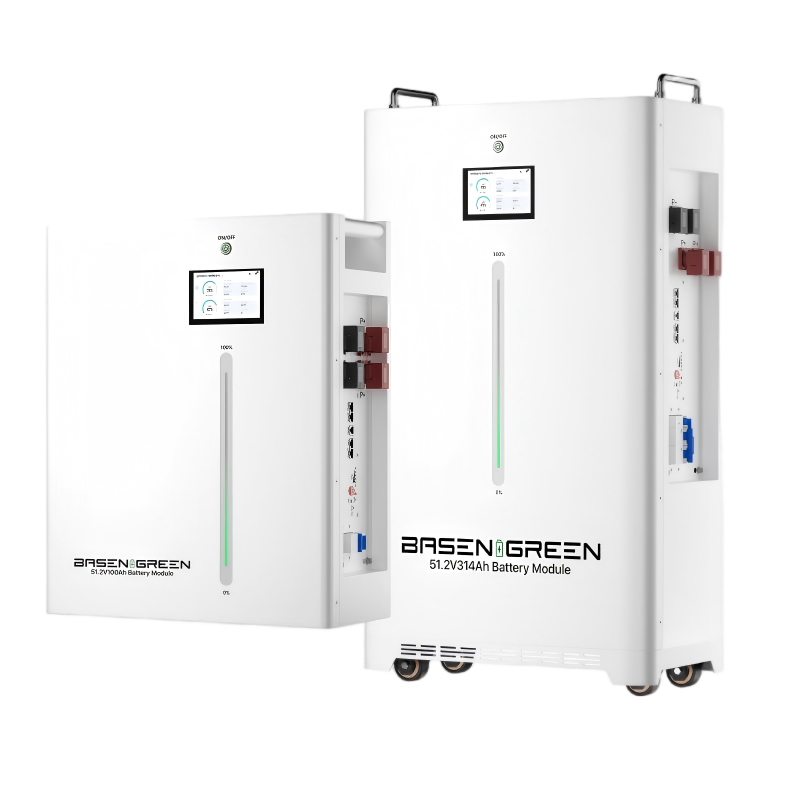
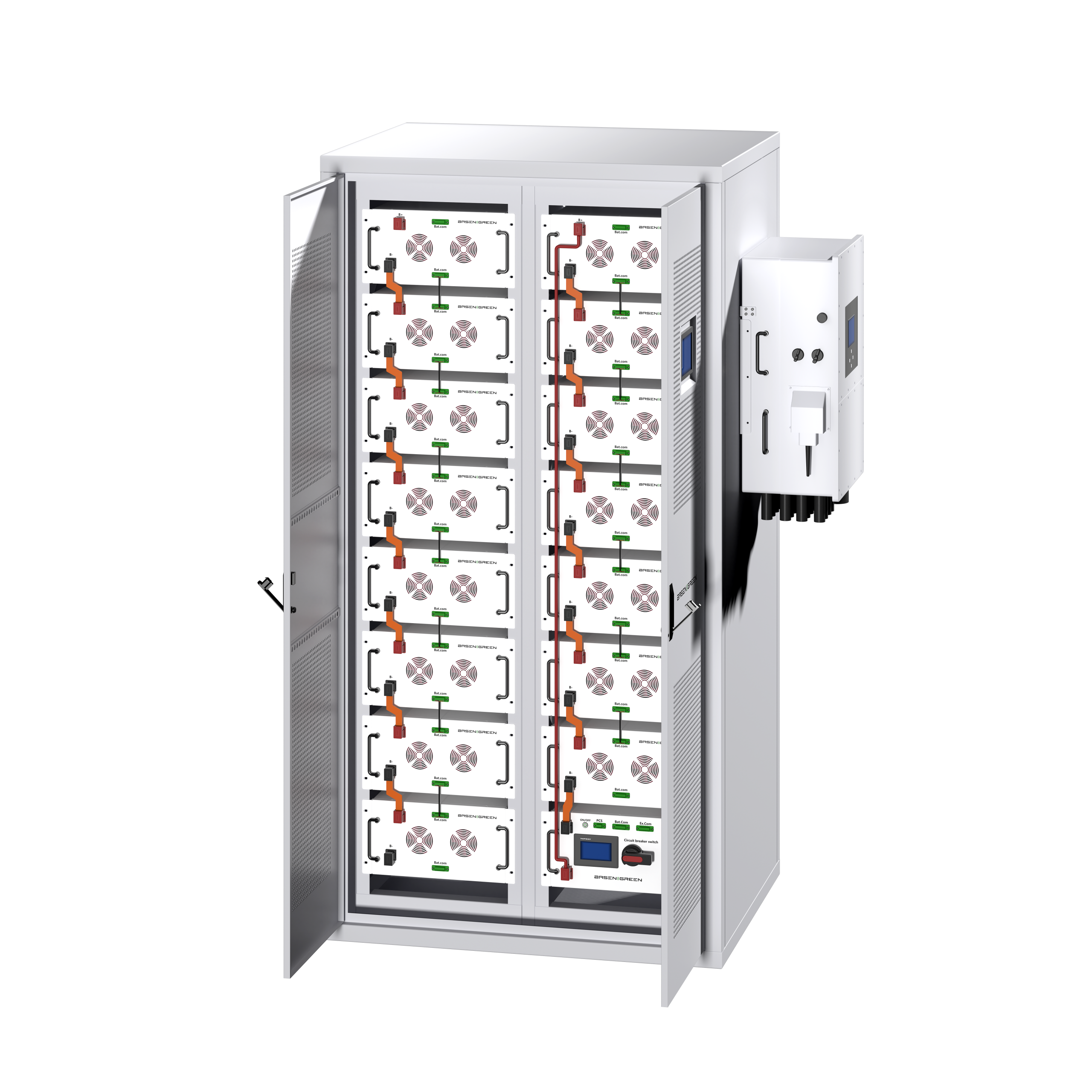
To counter these issues, some vendors are moving to 10-foot container formats or modular open-frame architectures where each cabinet operates as an independent building block, making logistics and on-site installation easier without losing density.
BasenPower commentary: choosing the right size, not just the biggest
For BasenPower and our partners, the “bigger is better” narrative needs nuance:
-
Match block size to your grid, not just your land
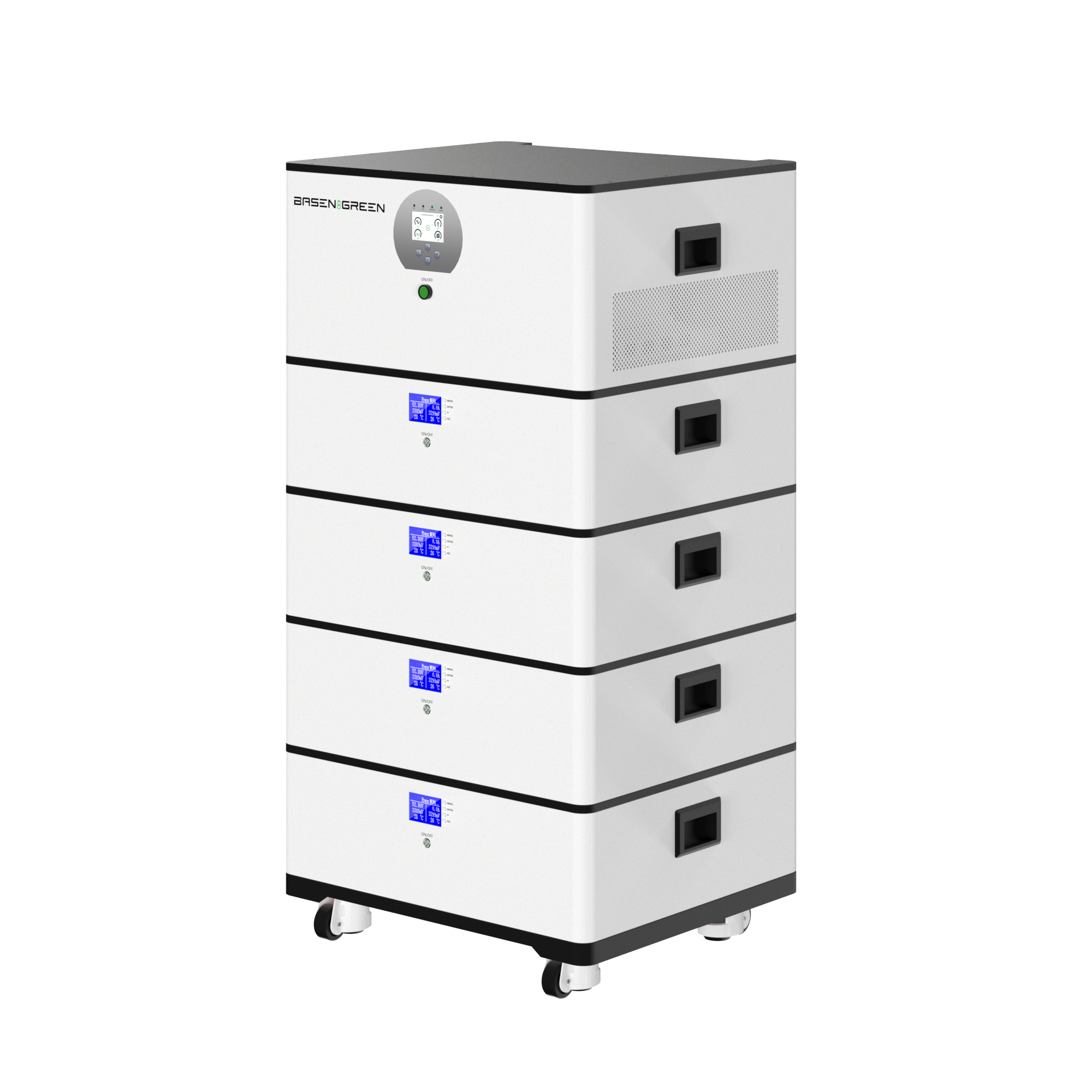
Ultra-dense containers shine where land is scarce or expensive, but grid interconnection, fault levels, and local regulations may limit block size. In some markets, a more modular 2–5 MWh cabinet approach offers better operational flexibility and maintenance. -
Think about crane, transport, and O&M from day one
A 20 MWh block that saves $/kWh on paper but requires special permits, oversized cranes, or complex replacement logistics can quickly erode project returns. We recommend that EPCs bring logistics and O&M teams into the design conversation early, not as an afterthought. -
Hybrid designs will often win
Many sites will benefit from combining:-
a high-density “core” for bulk storage, and
-
more granular cabinets for redundancy, phased build-out, or future expansion.
-
At BasenPower, we design system architectures that balance energy density, logistics feasibility, and long-term serviceability, so partners are not trapped by an oversized, hard-to-maintain asset in year 8–10 of operation.