
What happened to Prolux’s Storac VRFB home systems in Germany?
Prolux Solutions has announced a full recall of all installed Storac vanadium redox flow battery (VRFB) home energy storage systems in Germany. The company is also exiting the residential VRFB market and will shift its future home product strategy to lithium iron phosphate (LFP) systems.
As part of the recall, Prolux says system operators will receive a full refund of the purchase price. Installation partners are also set to be compensated for their associated costs. In addition, customers will be offered new LFP home storage systems from parent company Midea as replacement products, independent of the refund arrangement. The rollout of this recall and return process is already underway.
This move comes in the context of Prolux’s integration into Midea’s broader portfolio following Midea’s acquisition of Arbonia Climate, completed on February 26, 2025, for an enterprise value of €760 million.
Why Prolux is shifting from VRFB to LFP
Prolux has emphasized that the recall is not framed primarily as a technical rejection of VRFB for residential use. Instead, the company points to the economic realities of sustaining long-term field support for a product line that is no longer aligned with its future portfolio direction.
The lifecycle support challenge
Even for a technology designed for long service life, residential deployment depends on a long-term service and monitoring framework that can be scaled and maintained over many years. Prolux’s decision suggests that the commercial threshold for residential storage is increasingly defined by the ability to commit to that full lifecycle architecture—people, processes, software, and spare parts—not hardware alone.
Maintenance, spare parts, and software obligations
According to Prolux, continued operation would have required maintenance of electrolyte, oil levels, pumps, and sensors at least every two years, alongside multi-year commitments to stock spare parts and maintain and update operating software. The company concluded that this level of long-term obligation is not economically viable for a product that will not remain in the portfolio.
In parallel, Prolux acknowledged isolated electrolyte leaks in early production runs, attributed to tank material and hose connections, with later units reportedly equipped with additional protection such as a drip tray. Officially, the company continues to reference only one documented safety-related incident involving smoke development in Switzerland.
What this recall means for homeowners and installers
For homeowners, the key takeaway is pragmatic: a recall that includes full refunds and a clear replacement path reduces uncertainty and helps preserve long-term trust in the broader storage ecosystem.
For installers, this episode reinforces the importance of evaluating not just technology claims but also the vendor’s long-duration support model. In residential markets, even a promising chemistry can struggle if service workflows, local troubleshooting capacity, spare parts logistics, and software roadmaps are not sustainably funded and operationally mature. This is an inference informed by Prolux’s stated reasons.
BasenPower’s view on residential storage decision-making
At BasenPower, we view residential storage through a “total lifecycle deliverability” lens. In practice, homeowners are not buying a battery alone; they are buying a 5–10 year experience shaped by:
-
service response predictability,
-
local support density,
-
spare parts continuity,
-
and a transparent software/EMS update path.
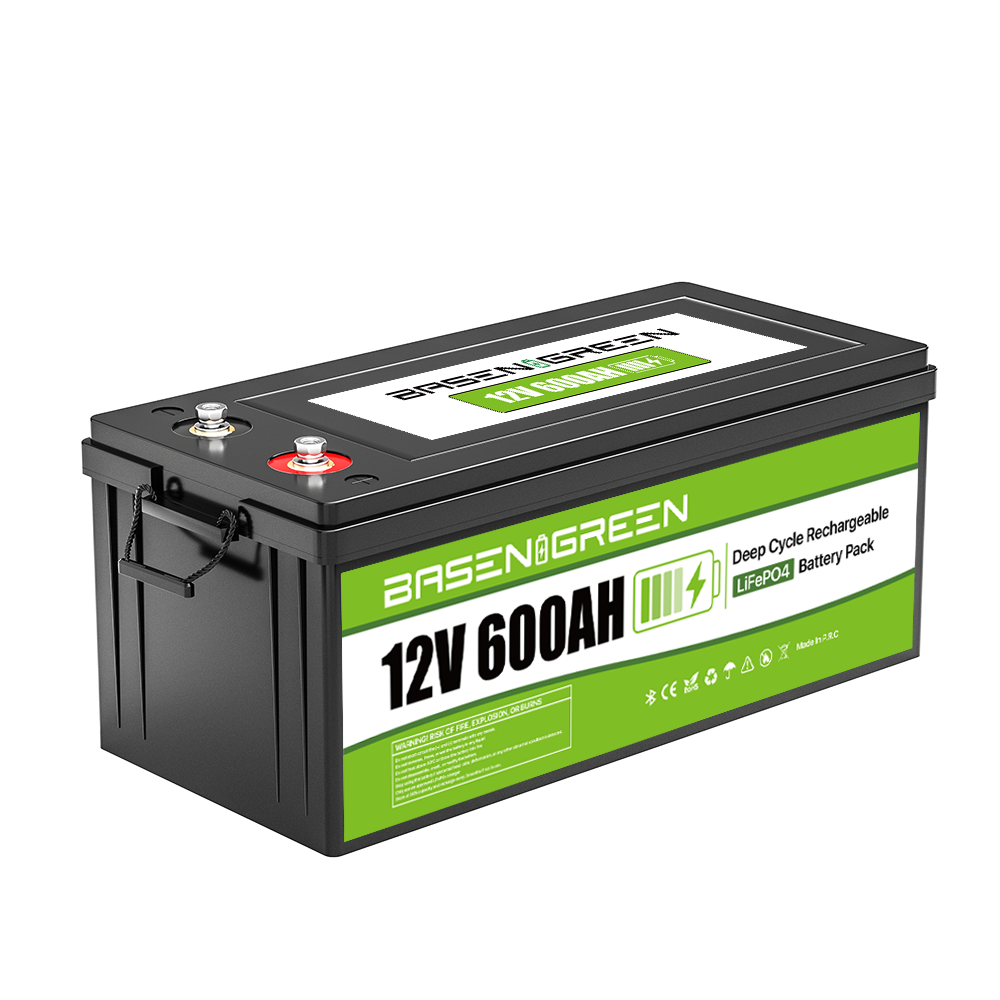
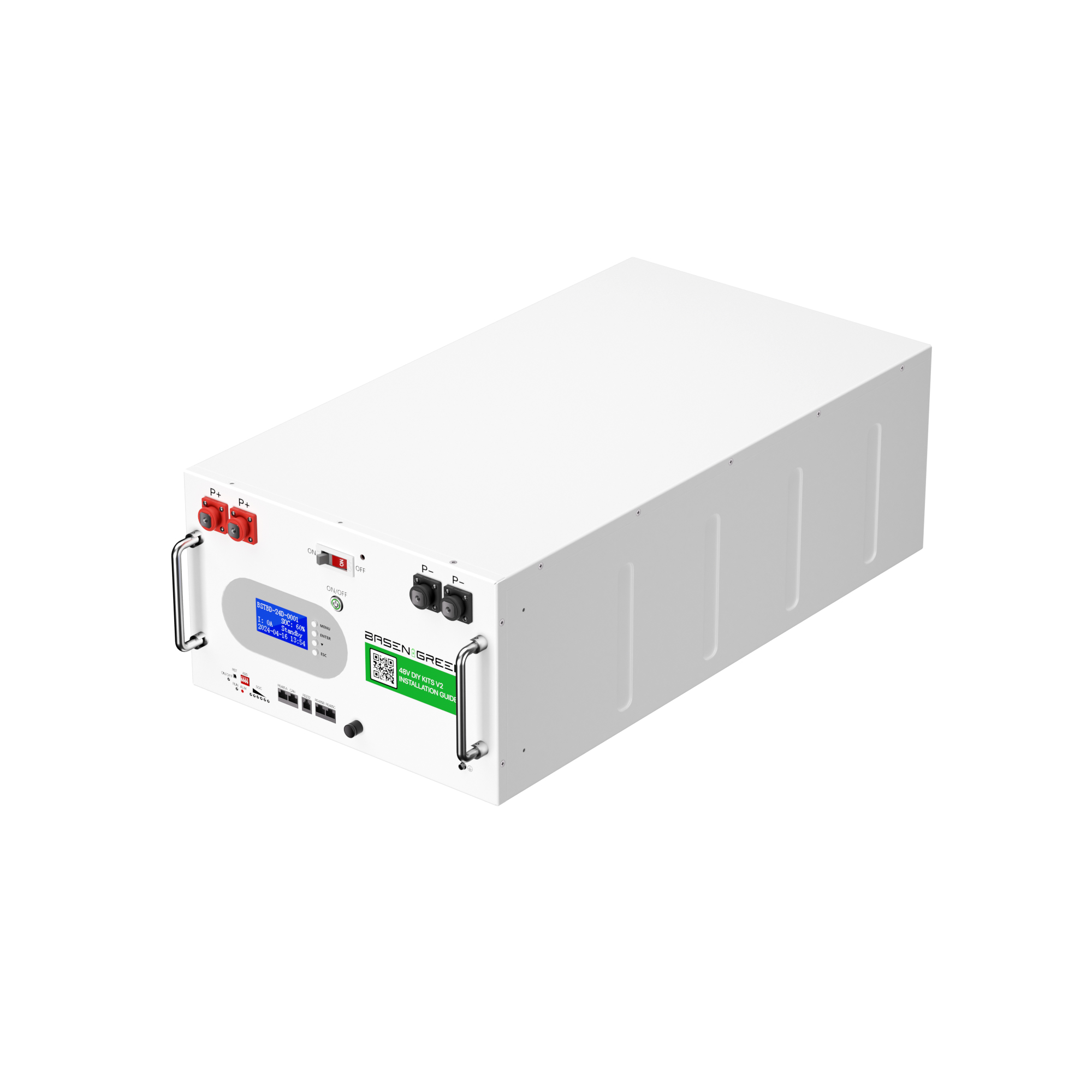
This is also why LFP continues to dominate residential roadmaps. Beyond safety and supply-chain maturity, LFP systems generally align more cleanly with standardized service models and predictable ownership costs—factors that matter just as much as nameplate performance in the real world. Prolux’s own pivot underlines that current market reality.
Three practical questions we recommend asking before choosing a home battery platform:
-
Is long-term service, parts availability, and software support clearly defined?
-
Does the brand have a strong local installer and after-sales network?
-
Are maintenance intervals and total cost of ownership explained upfront?
In a maturing residential market, technologies and vendors that combine performance with dependable lifecycle certainty will be best positioned to scale sustainably.